
Walk down the shaving aisle and the choice looks like a contest between brands, each claiming the closest shave with the least irritation. Underneath the marketing, the decision comes down to a single question: how the cutting head meets the hair. Foil shavers and rotary shavers use different mechanisms to do that, and each behaves differently on coarse hair, sensitive skin and the particular shape of a face.
This guide explains how foil and rotary heads work, what each one does well and where each one struggles, and how to match a shaver to your beard, your routine and your time. It is about the tool, not about treatment. If you have persistent skin irritation, bumps, infection or a skin condition, speak to a physician or a dermatologist before changing your routine.
In brief
- Foil shavers suit close shaves on smoother skin.
- Rotary heads handle thicker growth and uneven skin well.
- Replacement heads decide the long-term cost.
How a foil shaver works
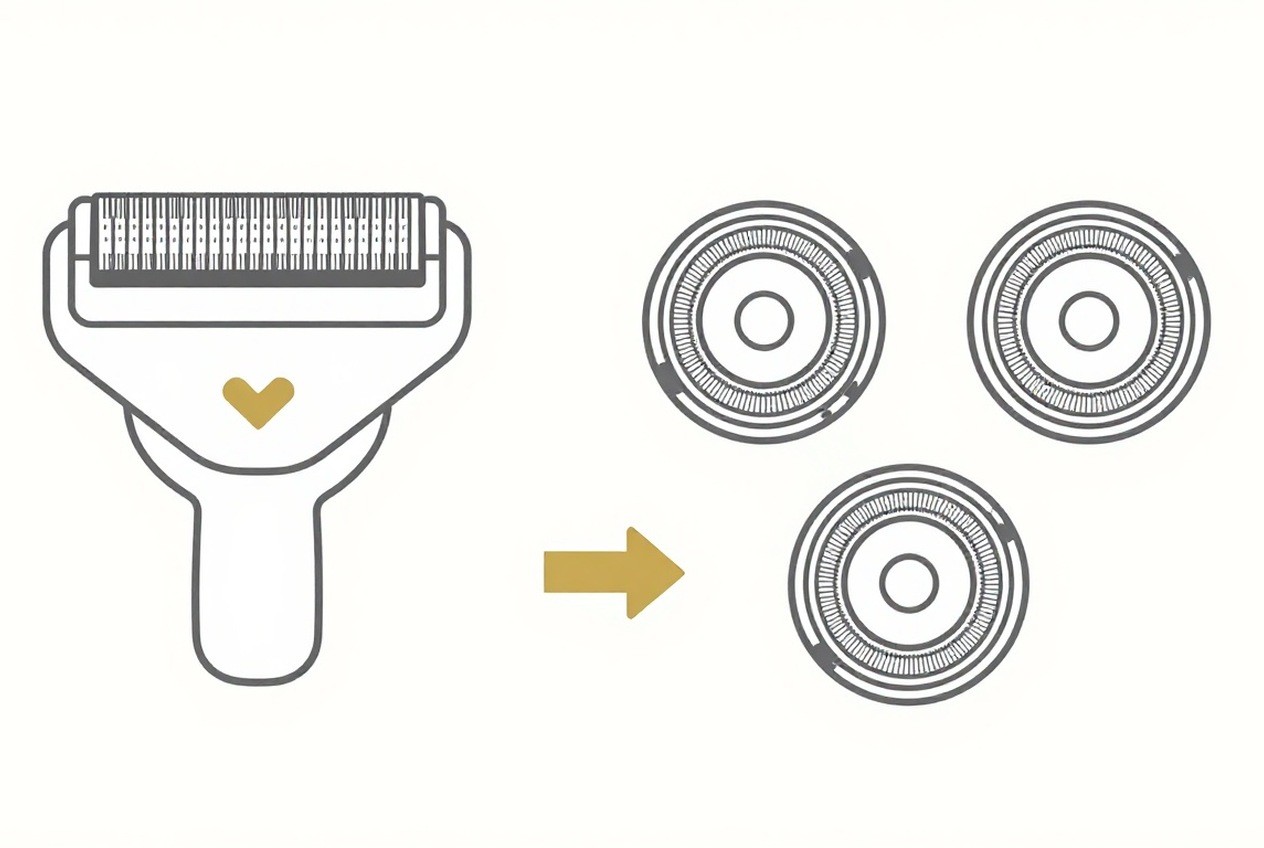
A foil shaver has a thin, perforated metal screen that sits over a set of fast-moving inner blades. Hair passes through the holes in the foil and is cut by the blade just beneath it. The foil also presses against the skin, which is why many foil shavers feel gentle on the face.
Foil shavers are usually slim, lightweight and quiet. They suit men who prefer a close shave on the cheeks and neck and who shave regularly, since the foil and blade keep a fine edge when they are cleaned and replaced on schedule. They can struggle with very coarse or long hair, which may not pass through the holes quickly, so some men trim before shaving.
How a rotary shaver works
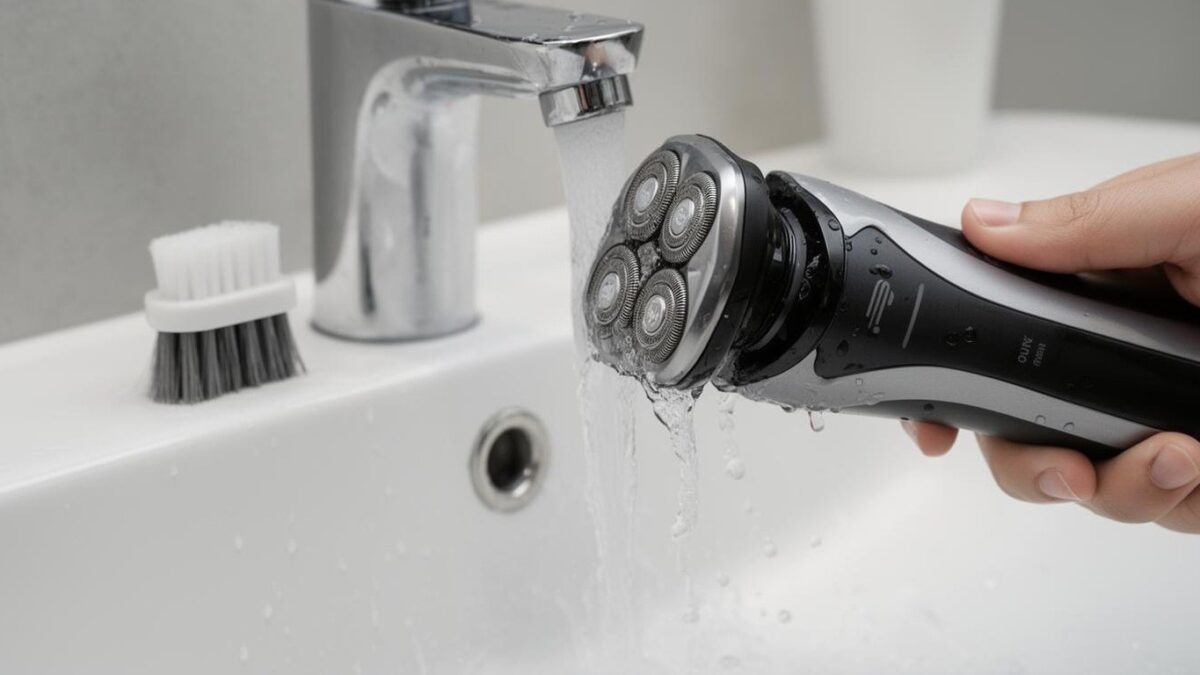
A rotary shaver has several round heads, usually three or four, each with a spinning cutter underneath a set of protective guards. The heads rotate and cut hair that enters through openings in the guard. The heads follow the contours of the face, which can make them suitable for a varied jawline and for men with thicker growth.
Rotary shavers tend to be more robust with heavy beard growth, and they cope well with a day’s stubble. They can leave a slightly less close finish than a foil shaver on some men, and the heads usually have more parts to clean. Like foil shavers, they need replacement heads over time.
Coverage, closeness and comfort
Each type trades closeness against comfort in a different way. Foil heads can give a very close finish, but the screen can pull on the skin if the blade is dull or the foil is worn. Rotary heads are often more comfortable on uneven skin and under a thicker beard, though the closeness can vary with the head design and the pressure you apply.
Many men find that comfort matters more than the last millimeter of closeness, especially when shaving daily. The best shaver is the one that cuts cleanly and leaves your skin calm, and that often depends on how well the tool is maintained.
Wet or dry use
Some shavers are designed for dry use only, while others can be used wet with shaving gel or in the shower. Wet use can make the shave smoother and may suit men who want a gentler feel, but it requires a shaver that is water resistant and that the maker says can be rinsed. Check the manufacturer’s instructions before using any shaver in water.
Replacement heads and the real cost
The purchase price is the start. Foil and blade assemblies and rotary heads wear out, and replacements have their own cost. Check how often the maker recommends replacing them, what the replacements cost and whether third-party options exist. A shaver that is cheap to buy but expensive to maintain can cost more over three years than a better shaver with inexpensive heads.
How to choose
- Daily close shave on smooth skin: a foil shaver often gives a fine finish.
- Thicker beard or a day of stubble: a rotary shaver tends to cope better with density.
- Sensitive skin: try the head type that feels gentlest for you, and use a fresh head regularly. If irritation persists, see a physician or dermatologist.
- Travel: a compact foil shaver with a charging case is easy to pack.
- Frequent use in the shower: check that the shaver is rated for wet use.
Things to check before you buy
- The replacement head price and how often it needs changing.
- The battery life and charging method.
- Whether the shaver can be used wet and how it is cleaned.
- The warranty length and what it covers.
- Reviews from men with a similar beard and skin type.
We do not make claims about how a shaver affects skin health, and we do not promise a result. Our guide to beard trimmers covers the tool to use for length and shaping, and the guide to blade care explains how to keep either type performing well.
Charging, battery and travel
A rechargeable shaver is only as useful as its battery. Check how long a full charge lasts and how many shaves that represents, and find out whether the battery can be replaced or only through the maker. A battery indicator matters more than a headline runtime, because a shaver that stops halfway through a shave is frustrating.
For travel, a compact model with a locking switch and a protective cap is easier to pack. Read the label on the charger to check its voltage range before using it abroad, and use an adapter approved for that purpose. Dry the head fully before packing, since moisture left inside can encourage corrosion.
Sensitive skin and the first week
Switching from a blade or from another type of shaver takes some adjustment, and the skin may need a few shaves to get used to the new motion. Use light pressure, follow the direction the manual recommends and avoid pressing hard over tender areas. A fresh, clean head is less likely to pull.
If redness, burning or bumps continue beyond the first week or two, speak to a physician or dermatologist rather than switching tools again and again. This guide makes no claims about how any shaver affects skin health, and a professional can advise on a specific condition.
The short version
Foil shavers give a close, light shave with slim, quiet bodies. Rotary shavers handle thicker growth and uneven skin with robust heads. Choose by your beard, your skin and your routine, check the replacement cost and ask a physician or dermatologist about any persistent irritation before changing your shaving habits.
Shaver mistakes to avoid
- Choosing by the price on the box and ignoring the replacement heads.
- Expecting a new shaver to suit sensitive skin without a fresh head.
- Using a shaver that is not rated for wet use in the shower.
- Skipping the cleaning routine and wondering why the shave pulls.